Manufacturing & Supply Chain
Keep production and supply
chain operations connected
to current state.
Maintain current production, order, inventory, material, and logistics context across separate operational systems—ready for downstream applications and workflows without repeatedly querying every source.
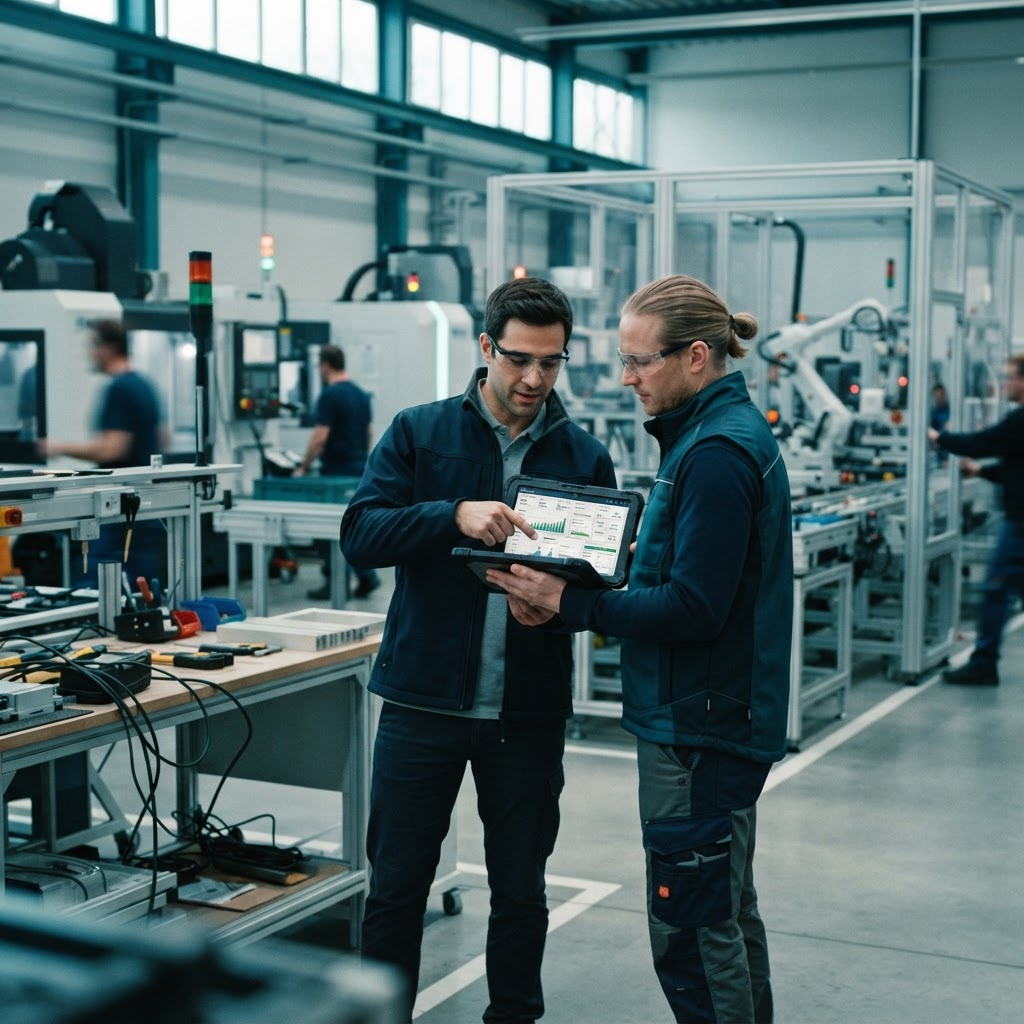 Production operations · Coordination
The Manufacturing Data Gap
Operations move continuously.
Context gets split across systems.
Orders, materials, production activity, inventory, and logistics may be managed across different operational systems. Each system can remain authoritative for its own domain while downstream workflows still need a usable view of what is happening now.
Fragmented operational context
A single production or fulfillment workflow may depend on state distributed across multiple systems and data models.
Repeated source-system queries
Applications and workflows often reconstruct the same cross-system context whenever they need a current operational view.
Stale downstream copies
Batch-oriented copies can fall behind as orders, production status, inventory availability, and logistics activity continue to change.
Context scattered across systems
From Changing Systems to Usable State
Maintain the context operational workflows need now.
CAPTURE
Capture operational change
Continuously capture relevant changes from production and business systems without replacing the systems responsible for those records.
TRANSFORM
Transform into usable state
Combine changing operational records into maintained production, order, inventory, and fulfillment context for downstream use.
SERVE
Serve it where work happens
Deliver current operational state to applications, APIs, workflows, services, and automation without rebuilding it for every request.
Manufacturing & Supply Chain Use Cases
Put current operational context to work across execution workflows.

Use case 01
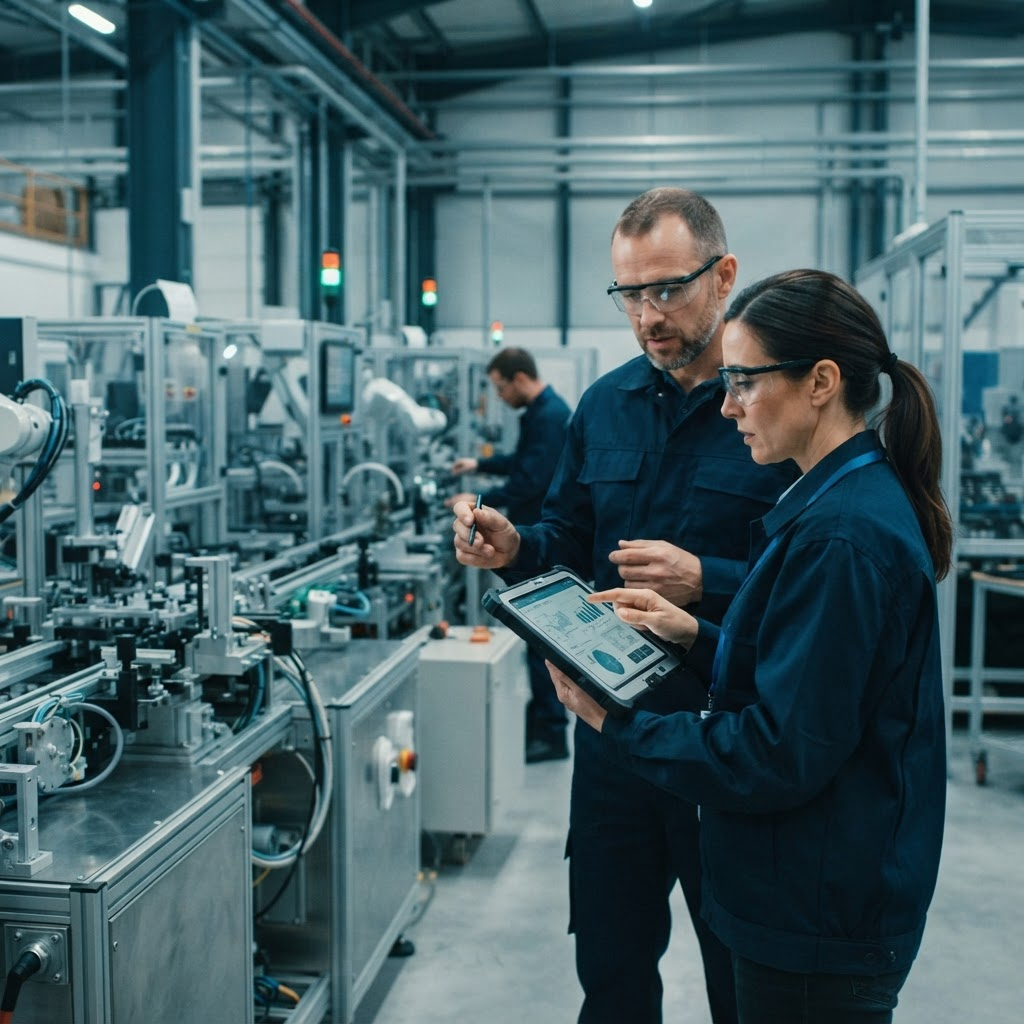
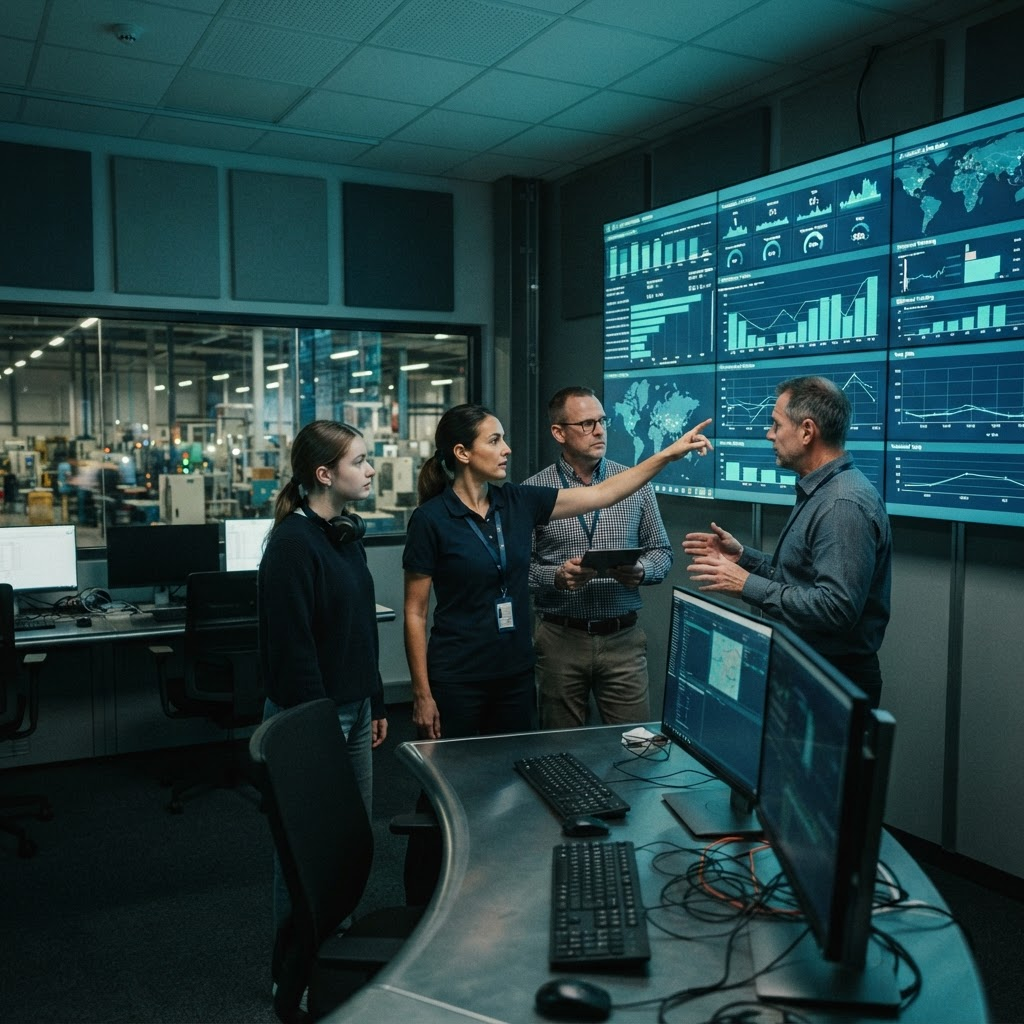
Maintain current production context
Bring together changing order, material, production, and inventory context for downstream workflows without repeatedly assembling it from separate systems.
Manufacturing Operational State Pattern
Keep operational systems authoritative.
Maintain reusable state downstream.
Tapstate sits between changing manufacturing systems and the applications and workflows that need current operational context.
Systems of record
- ERP
- MES
- WMS
- ORDER SYSTEMS
- LOGISTICS SYSTEMS
- QUALITY SYSTEMS
Tapstate
Unified operational data engine
Downstream use
- Production workflows
- Fulfillment workflows
- Operational apps
- APIs
- Automation
Systems of record stay authoritative. Tapstate does not replace or become the system of record—it captures operational change, transforms it into usable state, and serves maintained context to production workflows, fulfillment workflows, operational apps, APIs, and automation.
Manufacturing Operating Environments
A data layer that works across existing operational systems.
Manufacturing environments rarely run on one application, one data model, or one execution system. Tapstate maintains reusable operational state across heterogeneous systems while leaving source ownership intact.
Preserve system authority
Keep ERP, production, inventory, order, and logistics systems responsible for their own records while maintaining downstream operational state separately.
Work across heterogeneous systems
Bring together changing operational data from different technologies, structures, and application domains.
Reduce repeated source access
Let downstream consumers use maintained state instead of reconstructing the same cross-system context on demand.
Reuse state across consumers
Serve maintained context to applications, APIs, workflows, services, and automation where appropriate.
Illustrative Pattern
One fulfillment workflow. State from multiple systems.
Sources
- ERP
- MES
- WMS
- LOGISTICS SYSTEMS
Maintained order
& fulfillment state
Consumer
Fulfillment workflow
Instead of assembling current context independently for every request, a workflow can use maintained operational state drawn from the systems relevant to that task.
Build on Current Operational State
Give operational workflows the context they need to keep moving.
Maintain reusable operational state across fragmented manufacturing systems and serve it where downstream work happens.